
The Sparkle and the Shadows: Navigating Christmas as a Neurodivergent Woman
- Alice Cantwell
- Nov 27, 2025
- 3 min read

This time of year brings so many mixed emotions for me. I love the lead-up to Christmas; the soft, glimmering lights, the cosy nights, the gentle magic that builds in small moments. Now that I’m a mum, creating that magic for my little one feels even more special. ✨
But as a neurodivergent adult, there has always been a darker side to this season too, long before I ever understood why.

The Hidden Difficulty Behind the Festive Shine
For me, Christmas has always felt hard. Not because I don’t enjoy it… but because my brain experiences it differently.
It’s the change in routine. The sudden busyness of every single shop. The sensory overload; lights, noise, crowds, scents. The social expectations, get-togethers, small talk, excitement, heat from the oven, rustling presents, chaotic noise, and the pressure to appear endlessly festive and “on.”
And the biggest struggle?
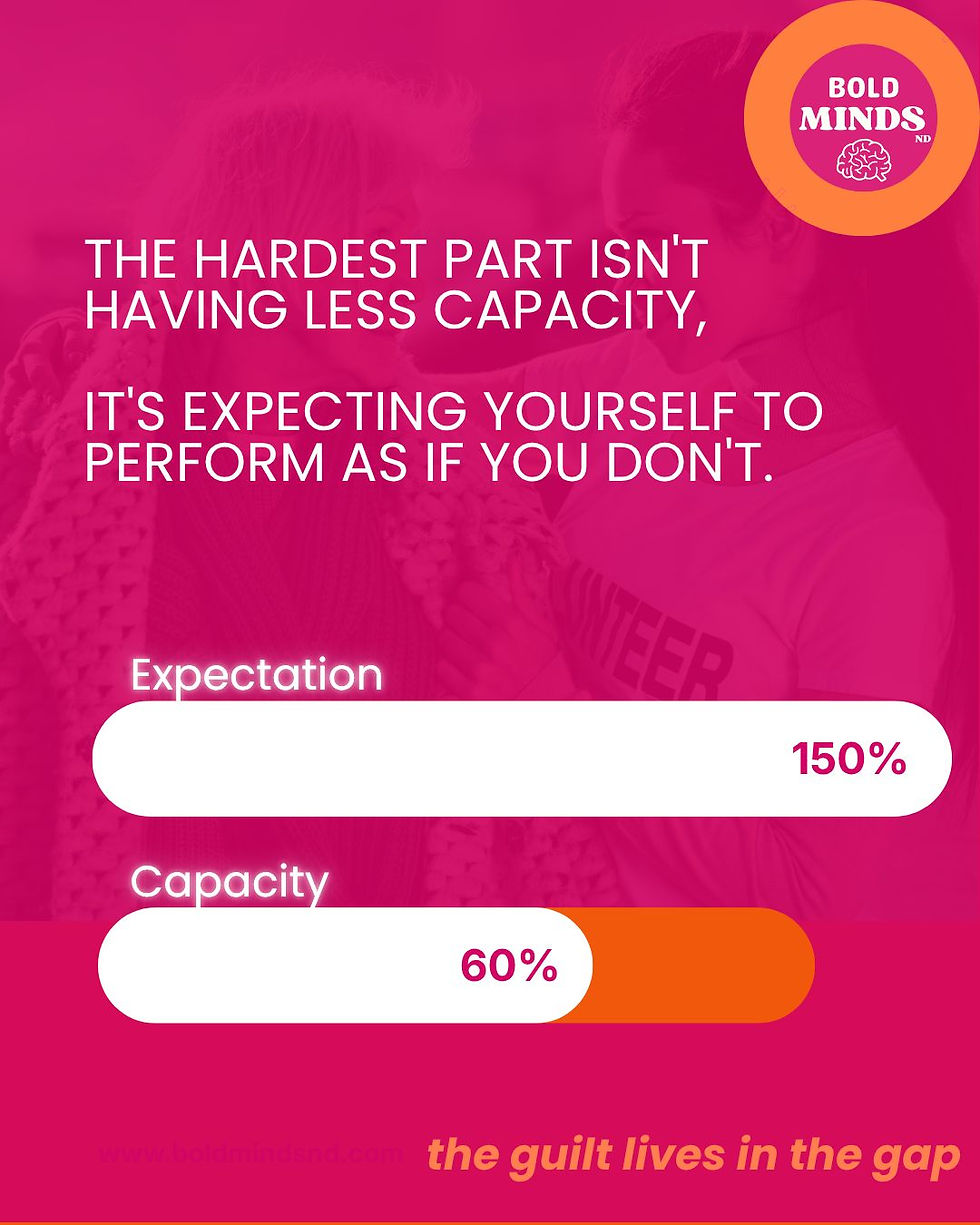
Expectation.
Social expectation.
Emotional expectation.
Familial expectation.
Talking to people I love is something I can do… but I don’t do it all day, every day. Yet on Christmas Day, there is often this unspoken rule that we spend the whole day together, engaging and smiling and staying switched on. It’s a lot. And navigating that, as an AuDHD mum with a toddler, can be overwhelming.
And with the overwhelm comes guilt.
Guilt that I get snappy.
Guilt that my brain shuts down.
Guilt that I sometimes resent the day, or the pressure around it.
Guilt that I don’t fit the cosy, cinematic version of Christmas everyone seems to expect.

The Truth Behind the Reflection
This time of year always makes me reflective, but this year more than ever. It has been the toughest, darkest year of my life, yet also the most transformative.
And part of that transformation has been learning what I need… what my little family needs… and what actually makes Christmas feel good rather than draining.
A Different Kind of Christmas
This year, we are prioritising ourselves; me, my fiancé, and our toddler.
We’re spending the day just us.
In comfies or PJs.
Still having a Christmas dinner, but making it as easy and convenient as possible. No pressure, no performance, no pretending.
Just presence.
We’ll let our little one enjoy the magic at their pace. Breaks and naps will be welcome. Quiet moments will be part of the day, not interruptions to it.
And honestly? That feels like the most neuro-affirming gift I could give myself.
Of course, the reality is we still have four sets of grandparents to see around this time too, which is another layer of complexity. The “time off work” that everyone talks about never feels like a recharge for me. If anything, it takes more planning, more pacing, more recovery.
Balancing my needs, my toddler’s needs, and the expectations of relatives is a constant act of emotional juggling.

Strategies That Help Me Create Boundaries Around the Festive Period
If you’re neurodivergent, a parent, or both; here are some gentle, realistic strategies that might help:
✨ Decide your non-negotiables early
For me, it’s:
A quiet Christmas Day
No pressure to perform socially
Space for sensory downtime
Keeping routines where possible
✨ Create a simple, predictable plan
This isn’t about rigid scheduling; it’s about reducing the unknowns so your brain feels safer.
✨ Use scripts for boundary-setting
Clear, calm phrases like:
“That day doesn’t work for us, but we can do a shorter visit on…”
“We’re keeping Christmas Day slow and quiet this year.”
“We need to leave by X time to support our little one’s routine.”
✨ Build in transition time
Before and after social events: A walk, a quiet room, a drive in silence, whatever helps you reset.
✨ Make space for sensory regulation
Noise-cancelling headphones, dimmer lighting, comfy clothes, familiar foods. You're not “being awkward”, you’re supporting your nervous system.
✨ Give yourself permission to do Christmas your way
The movies aren’t real. The expectation isn’t law. You’re allowed to redefine tradition in a way that works for your brain and your family.
✨ Remember: your child benefits when you are regulated
A calmer nervous system = safer, softer parenting.
If Christmas feels complicated for you;
you’re not alone.
You’re not “ruining” Christmas.
You're not ungrateful.
You're not difficult.
You’re neurodivergent navigating a season built on sensory intensity, social expectation and routine disruption.
And it’s okay to find it hard.
It's okay to set boundaries.
It's okay to choose peace over performance.
This year, I’m choosing a Christmas that supports my brain, my family, and my wellbeing; and that feels like the most magical thing of all. 💗🧡✨


Comments